Seasonal Preparation for Assisted Living: What Seniors Need to Know in Travis County


Understanding Seasonal Changes in Assisted Living
As the seasons change in Travis County, it's important for seniors in assisted living facilities to prepare accordingly. These changes can impact daily routines, health, and overall well-being. By understanding what to expect, seniors can enjoy a comfortable and safe environment year-round.

Preparing for Cooler Weather
With the arrival of fall and winter, temperatures in Travis County can drop significantly. It's essential for seniors to have appropriate clothing to stay warm. Consider layering clothes, which provides flexibility to adjust to indoor and outdoor temperatures.
Ensure that heating systems in living spaces are functioning efficiently. Regular maintenance checks can prevent disruptions and ensure a cozy environment during colder months.
Health Considerations
Seasonal changes can affect health, particularly for seniors. It's vital to stay up-to-date with vaccinations, such as the flu shot, to prevent illness. Hydration is also key, as cooler weather can sometimes lead to reduced fluid intake.
Additionally, vitamin D levels might drop due to less sunlight exposure. Consider discussing supplementation with a healthcare provider to maintain optimal health.

Adapting Activities for the Seasons
While outdoor activities might be limited during colder months, there are still plenty of ways to stay active. Indoor exercises, such as yoga or light aerobics, can keep seniors moving without the need to venture outside.
Engaging in social activities is equally important. Many assisted living facilities offer seasonal events and classes. Participating in these can boost mood and foster community connections.
Nutrition and Seasonal Diet
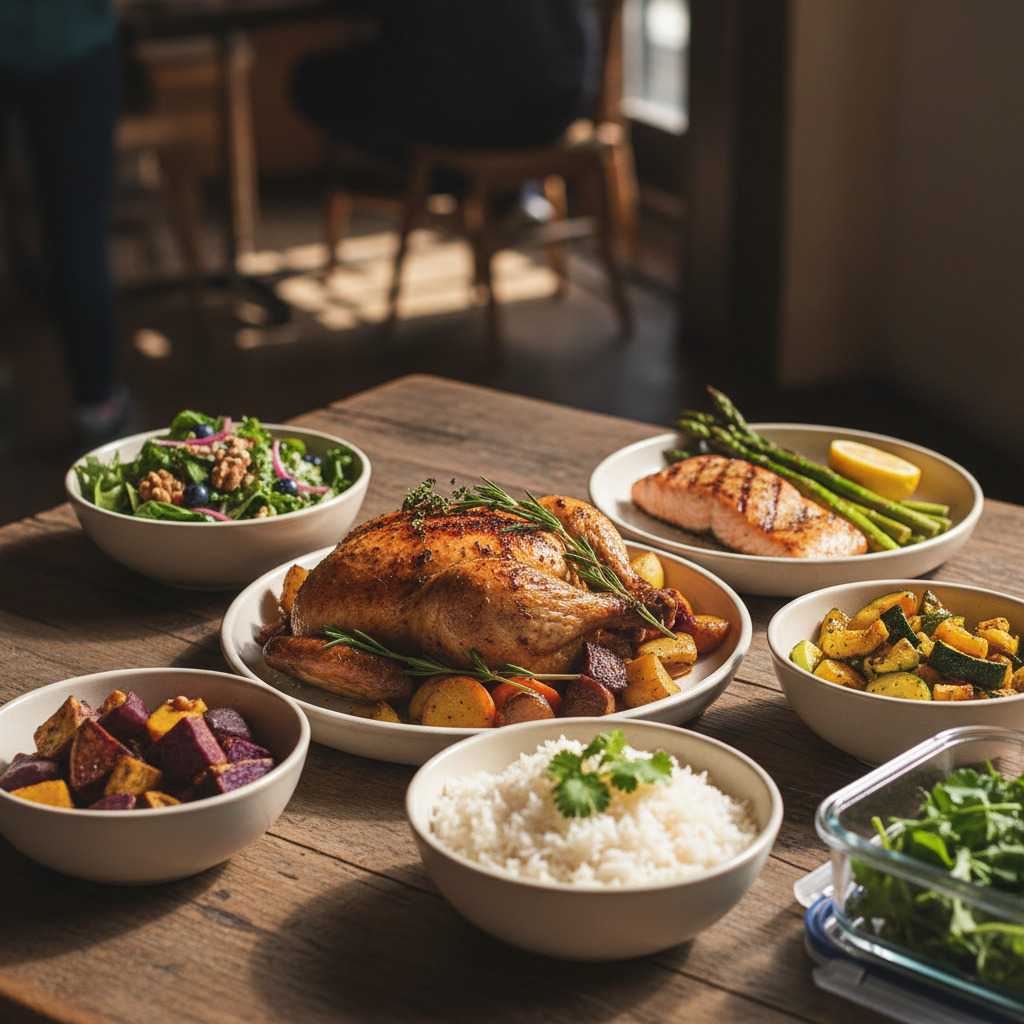
Dietary needs can change with the seasons. Incorporating seasonal produce into meals can provide essential nutrients and variety. For example, root vegetables and squashes are excellent options during fall and winter.
Consulting with a nutritionist can help tailor dietary plans that meet individual needs while taking advantage of seasonal offerings.
Ensuring Safety and Comfort
Safety is a priority, especially as weather conditions change. Ensure walkways are clear of leaves or ice to prevent slips and falls. Proper lighting around living spaces can also enhance safety during shorter daylight hours.
Emergency preparedness is crucial. Having a plan for power outages or severe weather can provide peace of mind. Keep a list of emergency contacts and necessary supplies readily accessible.
Staying Connected
Maintaining connections with family and friends is essential for emotional well-being. Encourage regular communication through phone calls, video chats, or socially distanced visits to combat feelings of isolation during the colder months.
Assisted living facilities often provide resources to help residents stay connected with loved ones, ensuring that they feel supported and engaged throughout the season.